
)
249 Google reviews
Transvaginal Ultrasound
Fertility ultrasound
A transvaginal ultrasound is one of the most useful fertility investigations for looking closely at the uterus, ovaries and endometrial lining. It is a simple scan that can provide important information about reproductive health and help guide the next stage of your fertility assessment.
At our clinic, all fertility ultrasounds are performed transvaginally. A small ultrasound probe is gently inserted into the vagina, which allows clearer imaging of the uterus and ovaries than an abdominal scan. For many patients, this fertility ultrasound is a helpful early step in understanding their fertility picture, even if they are not ready to move on to treatment.
Pricing
Transvaginal Ultrasounds
£130
Understanding more about transvaginal ultrasounds
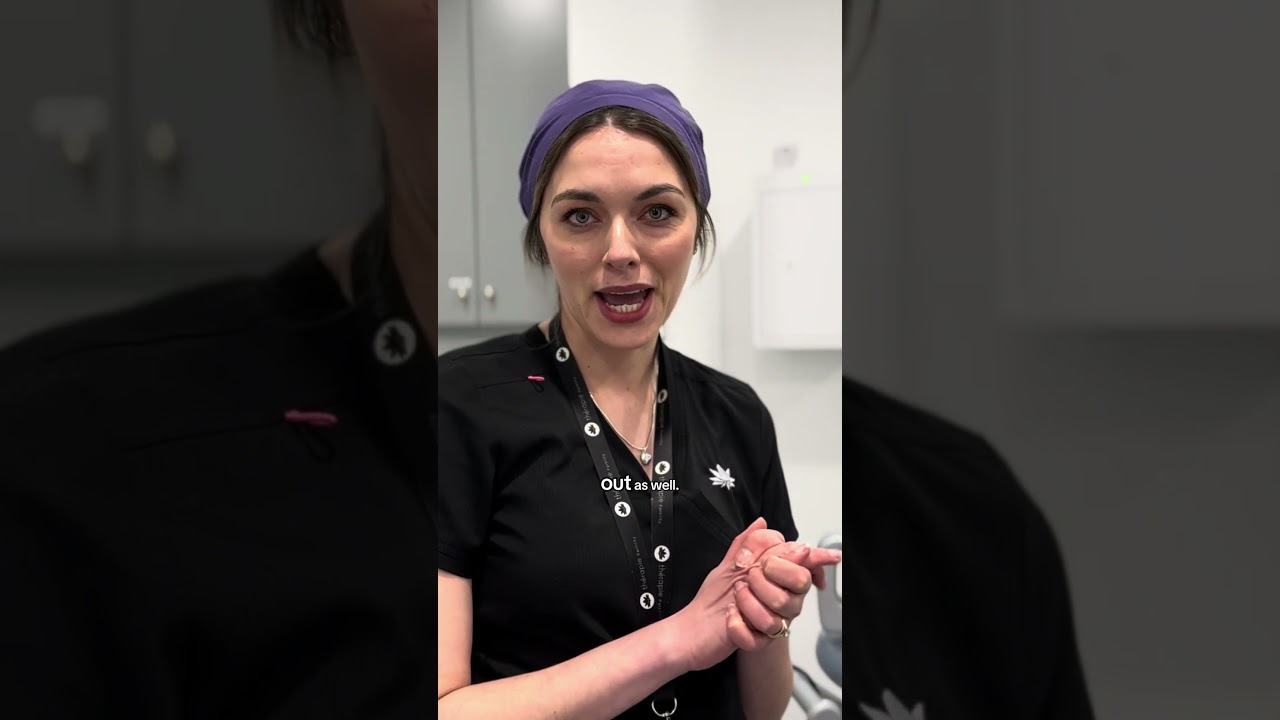
with our Senior Fertility Midwife Becky
A transvaginal ultrasound is an internal ultrasound scan that uses a small probe placed into the vagina to create images of the reproductive organs. It helps our team see the uterus, ovaries and endometrial lining more clearly.
Why do we use a transvaginal ultrasound?
Transvaginal ultrasound can give a much clearer view of the uterus and ovaries than an external scan, which is why we use it for fertility assessment at our clinic. It allows us to look closely at structures that may influence fertility, including the endometrial lining, visible follicles and the overall appearance of the ovaries and uterine cavity.
This type of fertility ultrasound can help us understand more about your cycle, identify anything that may need further investigation, and decide whether additional testing would be helpful. In some cases, it may also help guide which fertility options are likely to be most appropriate for you.
Like any fertility test for women, an ultrasound is only one part of the overall picture. It may provide information about the ovaries, visible follicles, uterine cavity, endometrial lining and ovarian reserve. The findings are reviewed together with your medical history, symptoms, cycle pattern, and, if needed, the results of AMH or other blood tests. If we need more detail about the uterine cavity or fallopian tubes, we may also recommend a more specialised scan, such as HyCoSy.
)
What our patients say
- Rafaela Atallah3 weeks ago
I would like everyone to know about my experience with the clinic. I will be forever grateful to every member of this clinic. From the very beginning, I was treated with …
Google Review - Shyama Praveen3 weeks ago
We am truly grateful for my experience at Thérapie Fertility. From our very first interaction, we felt supported, understood, and genuinely cared for during what has been…
Google Review - Amanda Dalton3 weeks ago
Forever grateful for Thérapie Fertility they made the whole process of IVF as easy as they possibly could from the very first consultation the whole way through and all t…
Google Review - Caoimhe Mckay4 weeks ago
Could not recommend Thérapie enough! My partner and I had our first consultation in March 25 and I was pregnant by September. Our daughter arrived in May 26. There was n…
Google Review - Carly Thompsona month ago
I genuinely can’t praise Therapie enough! IVF is such a hard journey, but having a clinic and a team that really care about you and your wellbeing makes the journey a lot…
Google Review - Lucie Geraghtya month ago
We started our journey here in Therapie and have nothing but excellent experience. The entire process was very seamless. Youre set up with their portal where you communic…
Google Review - Polly Wenmana month ago
Therapie has helped us as a family to gain the biggest miracle we never thought would happen, after so many set backs and years of infertility, we met with the nurse in D…
Google Review - Karina Swiackaa month ago
After a significant expenditure and a rather unfavorable experience at Waterstone Clinic, I made the decision to transfer to Thérapie, which proved to be an excellent cho…
Google Review - Amy Caplina month ago
I can’t thank Amy enough, from the first consultation to the last scan, she really is wonderful and anyone would be in great hands with her. I felt so safe to do this jou…
Google Review - Victoria Kalandadze2 months ago
I had the most attentive and amazing experience with Thérapie Fertility from the moment I walked in for my consultation. It was incredibly informative, and I felt genuin…
Google Review - Igotboomed Google Account2 months ago
We started our journey with Thérapie in January 2024, after so many years of struggle and being let down by the NHS. We were terrified to reach out to a private clinic, b…
Google Review - Andy 'aree2 months ago
The staff were and still are very supportive, understanding, and communicative during a difficult time.
Google Review





Your transvaginal ultrasound questions answered
Quick answers to the questions we hear most often about transvaginal ultrasound at Thérapie Fertility.
View all Transvaginal Ultrasounds questionsAn unexpected HyCoSy result can feel difficult to receive, but it can also provide valuable clarity. It may help explain why pregnancy has not happened so far, or why a particular treatment approach may be more suitable. Our doctors will talk you through your results clearly and support you in understanding the next steps.
A HyCoSy may be useful if you have suspected or diagnosed endometriosis, as it can help assess the uterus and whether the fallopian tubes appear open. However, it does not diagnose all forms of endometriosis. Your results will be reviewed alongside your symptoms, history and any other relevant tests.
Our team will advise you on sex after HyCoSy based on your individual situation and how you feel after the test. Some patients may prefer to wait until any spotting or cramping has settled. If you have been given specific aftercare guidance, follow that advice.
The difference between HSG and HyCoSy is mainly how the tubes are assessed. HSG usually uses X-ray imaging and dye, while HyCoSy uses ultrasound and contrast fluid. Our team can explain which test is most appropriate based on your circumstances.
A HyCoSy is a diagnostic test, so its main purpose is to provide information. Some studies have suggested that tubal flushing may be associated with improved conception rates in some cases, but this should not be considered guaranteed. The most important benefit is that the test helps guide the most suitable next steps for you.
Ready to talk it through?Book a free consultation
- No waitlist
- Clinical experts
- Transparent pricing